
The Book
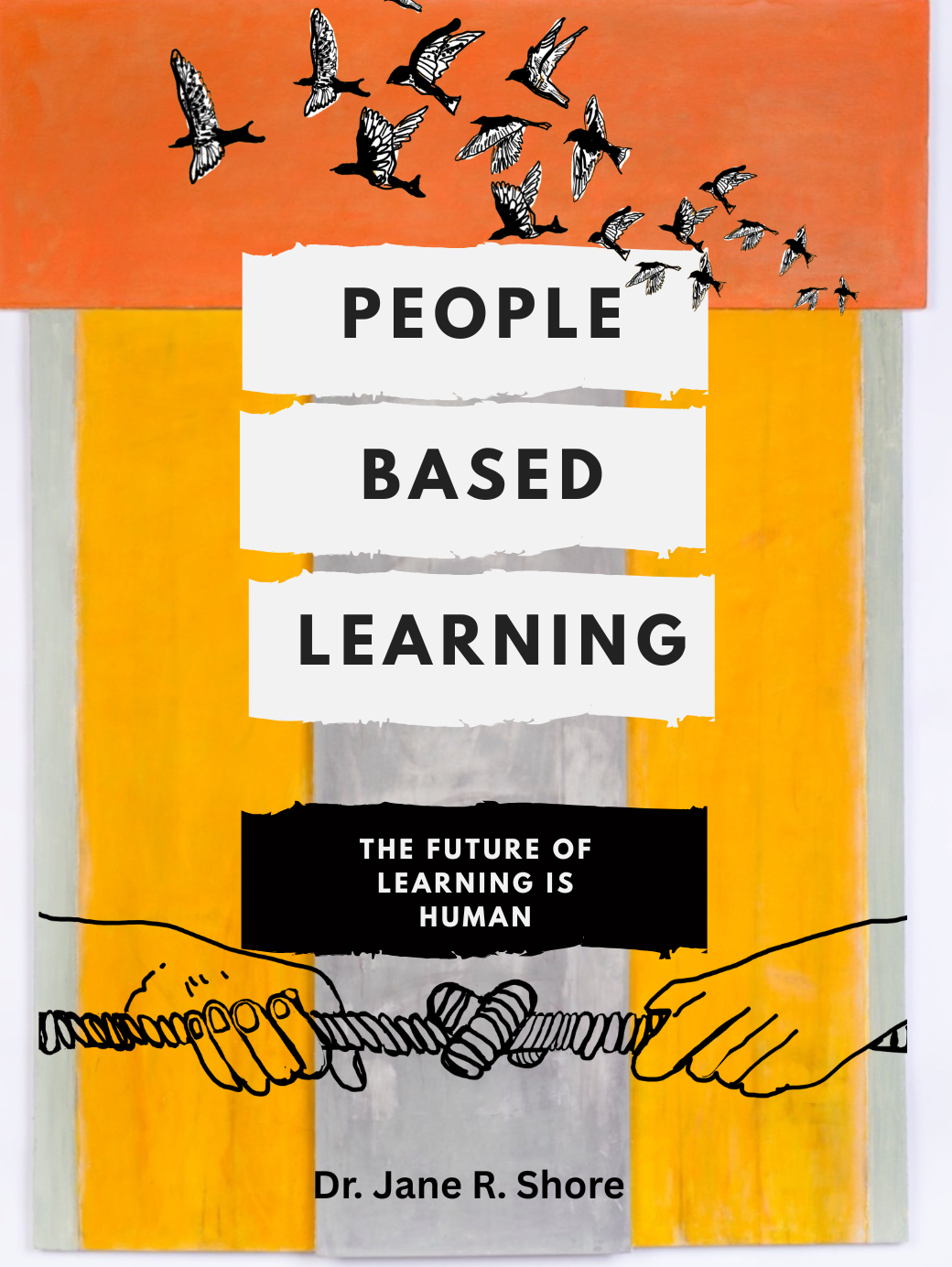
People-Based Learning: The Future of Learning is Human is a book about how we learn best- with and through one another.
We’ve learned more about how people learn in the past 20 years than in the previous 200. Yet the systems meant to help us grow - schools, work, even communities- often forget what our biology remembers: that we are wired for connection.
People-Based Learning (Routledge, 2026) is a guide, a gathering, and a gentle rebellion. It invites educators, leaders and life long learners to design for what truly lasts - moments between us, that relationships that shape us, and the learning that gets under our skin, engages our emotions and fuels our purpose.
People-Based Learning shows what happens when we act on what we now know about the brain, about belonging, and about what makes learning last.
About the Book
The science of connection meets the art of learning.
At its heart, People-Based Learning is about translating what we know into what we do.
Drawing on neuroscience, social research, and lived stories, it reveals how belonging fuels understanding, how reflection deepens wisdom, and how shared experience becomes the most durable kind of knowledge.
What People Are Saying
“"Brilliant and deeply human. People-Based Learning is a welcome call to return to how we learn best—through connection."
—Dr. Marissa King, Distinguished Professor at the Wharton School of the University of Pennsylvania and author of Social Chemistry: Decoding the Patterns of Human Connection.
"People-Based Learning beautifully articulates something many of us intuitively know but rarely name: we change by learning from each other, and learning is a living experiment shaped by relationships. Essential reading for anyone thinking about the future of education, work, or community."

—Dr. Anne-Laure Le Cunff, neuroscientist, founder of Ness Labs and author of Tiny Experiments
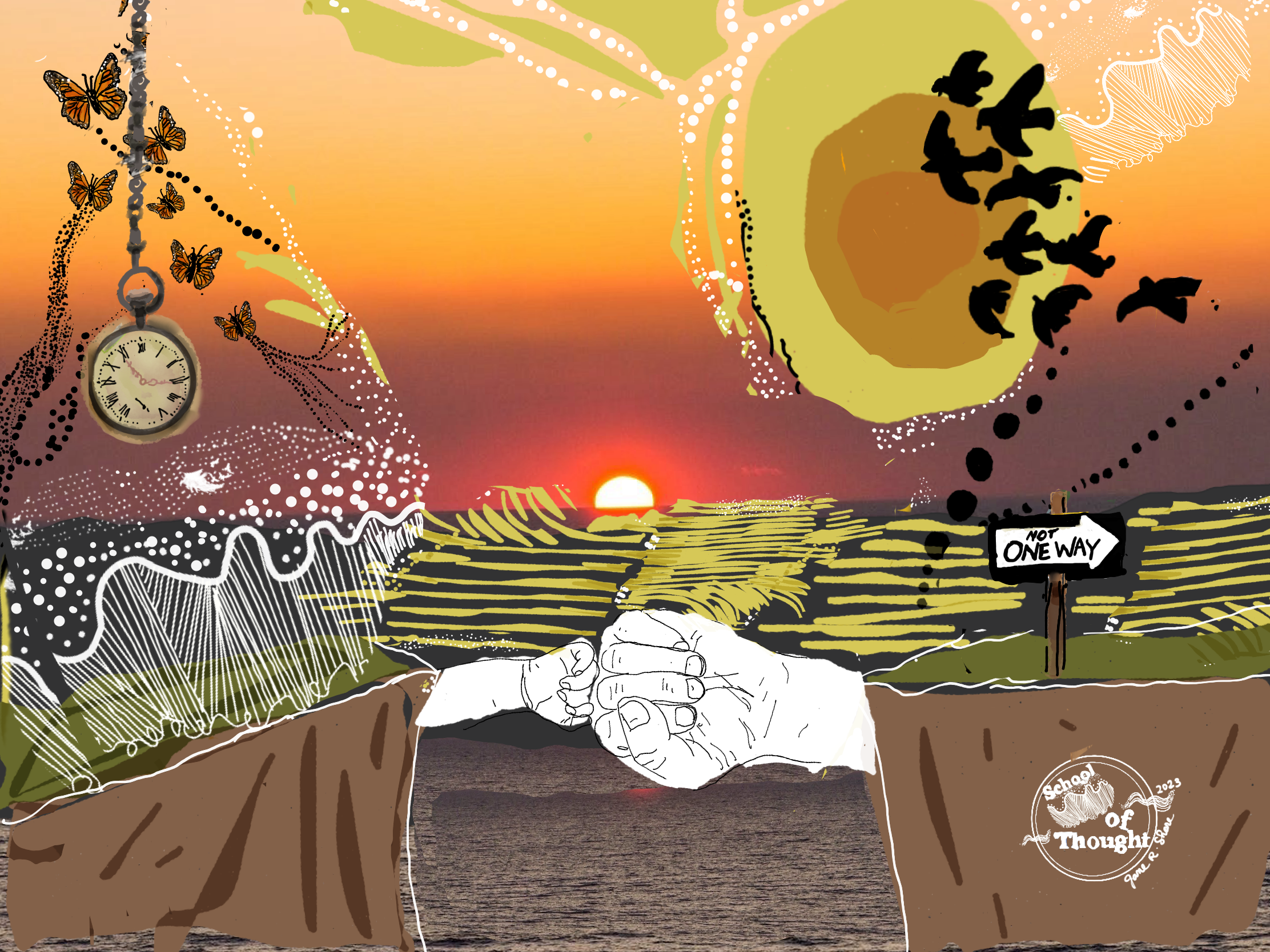
"It's often a hollow cliche to declare that "learning is social." Jane Shore's expansive look at history, pedagogy, human development, and art grounds that sentiment in a rich picture of what's possible when we center learning on and in connection, not just content.
What if rising generations got to attend schools that let them out into the world and welcomed the real world in? What if those schools didn't just claim to be communities, but felt like them? What if those schools allowed kids to better know others and themselves, and in turn be capable of and inspired to shape the world they occupy together?
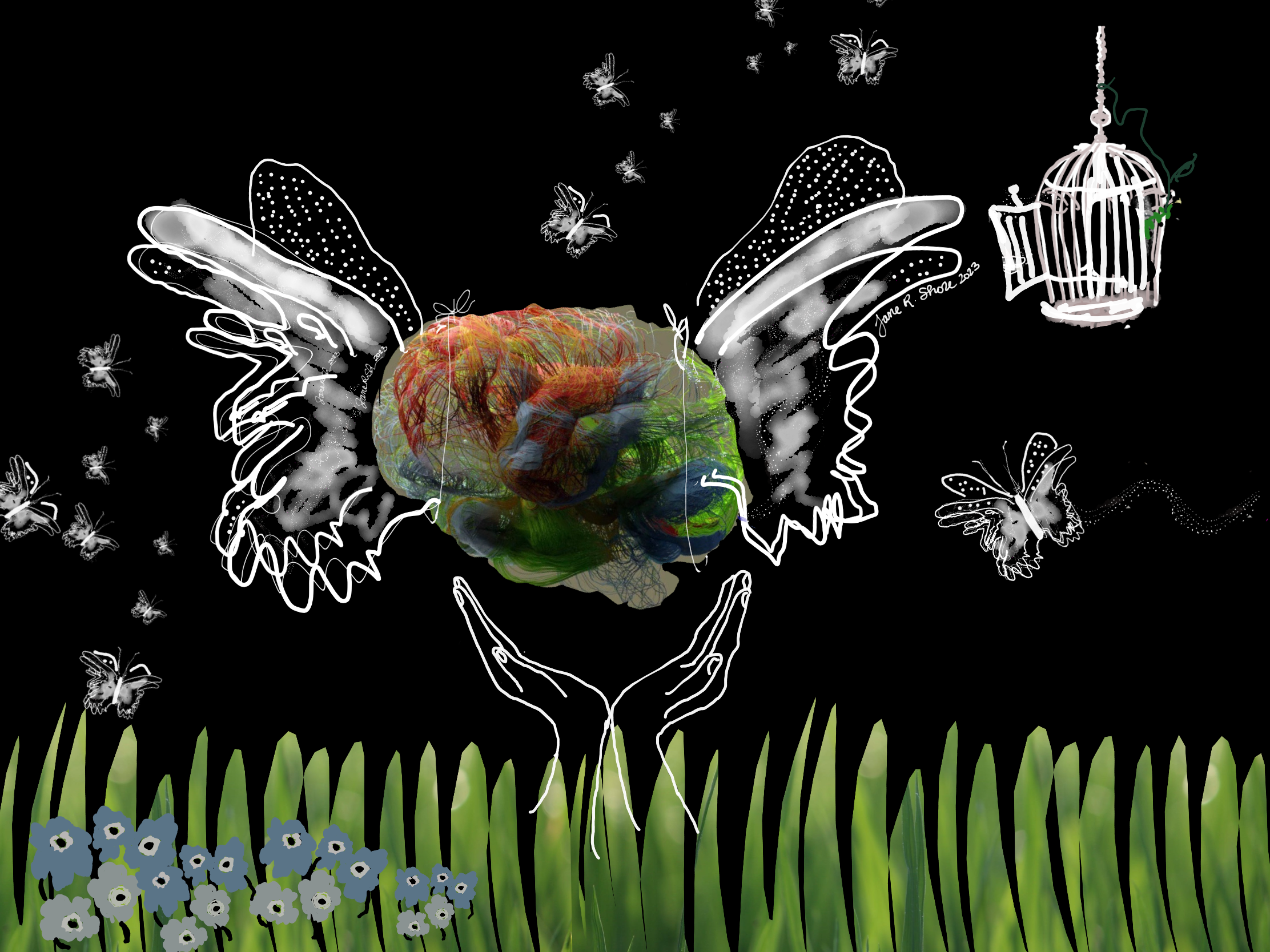
With a deft hand, delightful drawings, and detailed activities, People-Based Learning illuminates the path to building these schools, one scientific study and strategy at a time. The approach is at once softer and bolder, more real—and in turn, more rigorous—than conventional education reforms. The result? A vision for a system of education grounded in the kind of wisdom, creativity, and connection that our kids need, our adults crave, and that our emerging economy actually demands."
—Julia Freeland Fisher, Director of Education Research, The Clayton Christensen Institute and author of Who You Know: Unlocking Innovations that Expand Students' Networks
""People-Based Learning reflects what developmental neuroscience tells us about how humans learn best: we learn most deeply when learning is socially meaningful, emotionally engaging, and connected to purpose. Jane Shore offers a practical, human framework for designing learning environments, in schools, workplaces, and communities, that support people’s growth into engaged, connected adults."
—Mary Helen Immordino-Yang, Fahmy and Donna Attallah Chair in Humanistic Psychology, Director, USC Center for Affective Neuroscience, Development, Learning and Educations
Why It Matters.
-
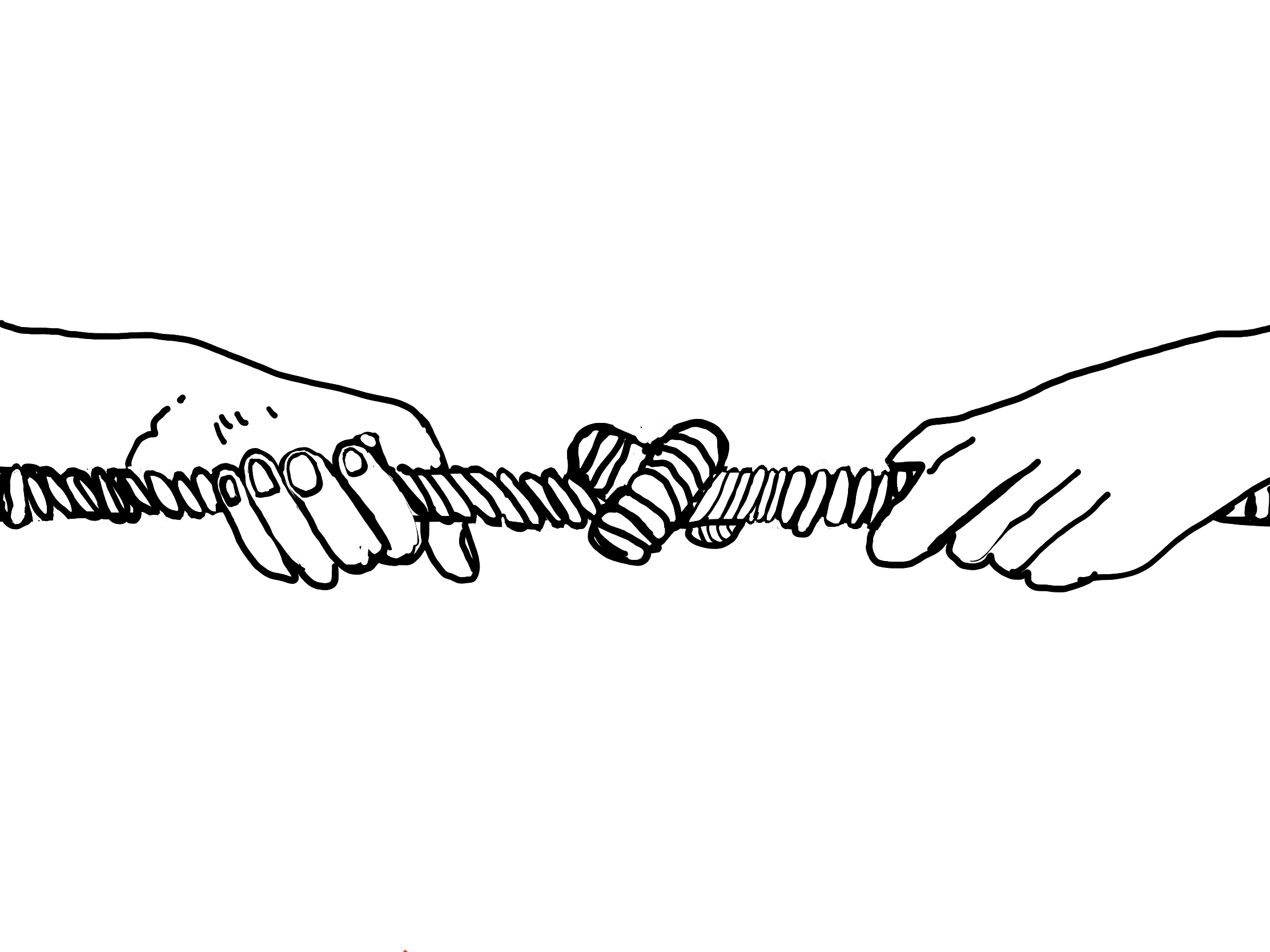
The Meaning
What if learning began with people, not programs?
For too long, we’ve tried to improve schools, workplaces, and communities
by focusing on systems instead of relationships.But humans are social learners.
Connection is not a soft skill—it’s the source of curiosity, trust, and growth.When we learn through people,
we remember longer, think deeper, and act together.Learning is not only an individual act. It’s also a shared one.
-

The Model
At the heart of People-Based Learning are three guiding elements—
Connect, Reflect, and Affect.
Together, they form a cycle of relational learning that sparks both meaning and movement.Alongside them are five concentric circles—
the Circles of Connection Framework—
mapping how people move from first encounters to sustained community. -
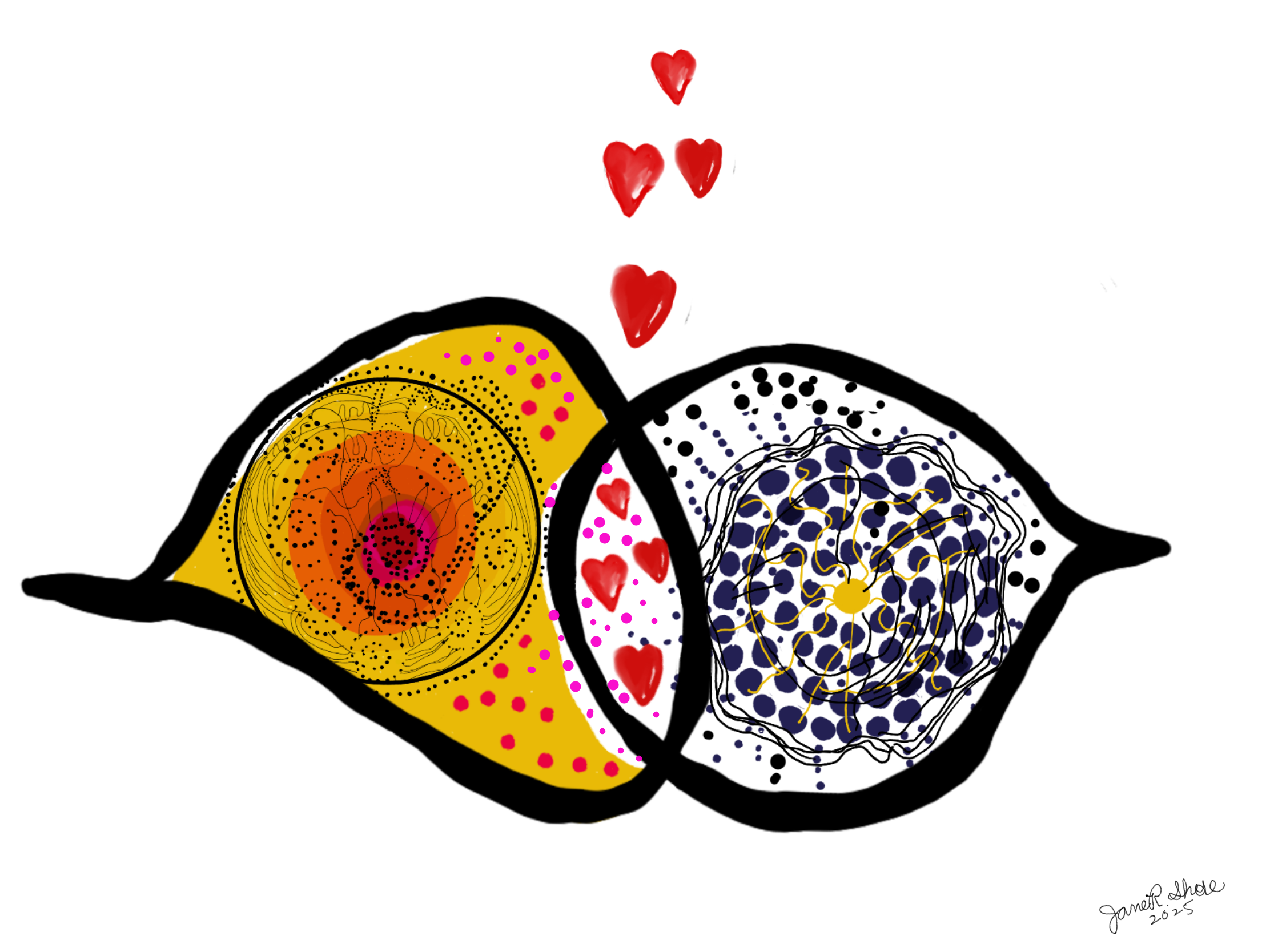
The Movement
The ideas behind People-Based Learning are alive in classrooms, teams, and communities everywhere.
They show up in conversation circles, community design, and new ways of leading with empathy and evidence.Through School of Thought, you can explore stories, visuals, and experiments in real time—
a growing library of how learning happens between us.
